Frightening or Inspiring?: The Real Numbers on TCA.
"Reported TCA Thresholds in Wine Are Typically in the Range of 2 Ng/L for Detecting a Noticeable Difference and 6 Ng/L for True Recognition. TCA Levels Below the 2 Ng/L Difference Threshold Can Still Impact a Wine, Usually Described as "Muted" Aromas and Flavors."
- ETS Labs' Website
If our olfactory systems were THIS accurate on everything, we would be able to smell a single frozen pea in a swimming pool! Mind blown. Cue the paranoia. Or break out the crayons. Let's make this make sense using a frame of reference I understand.
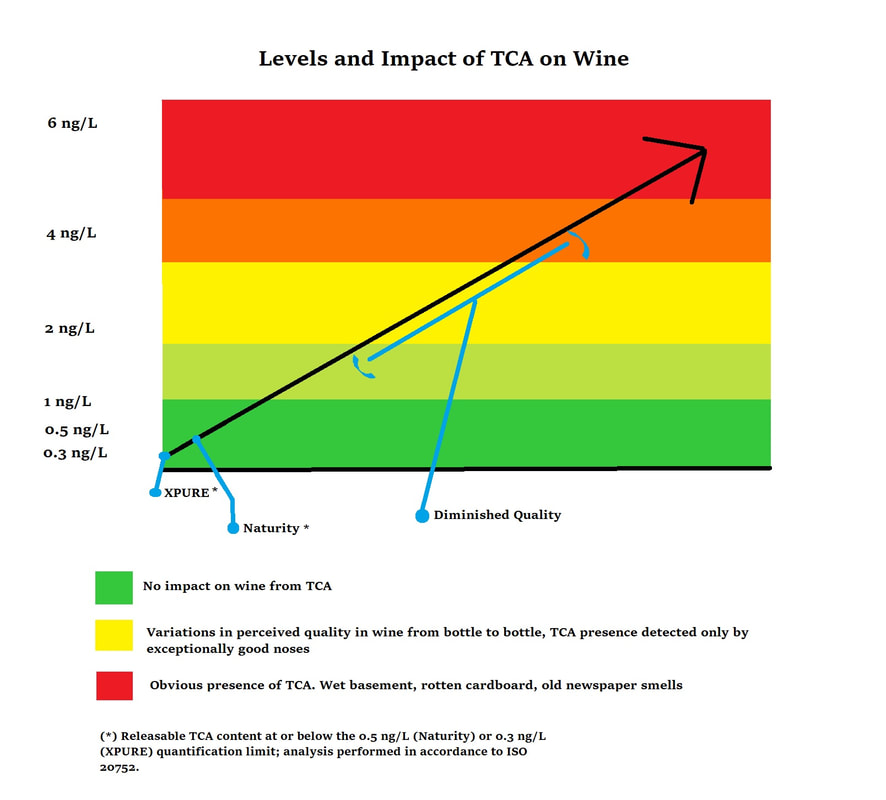
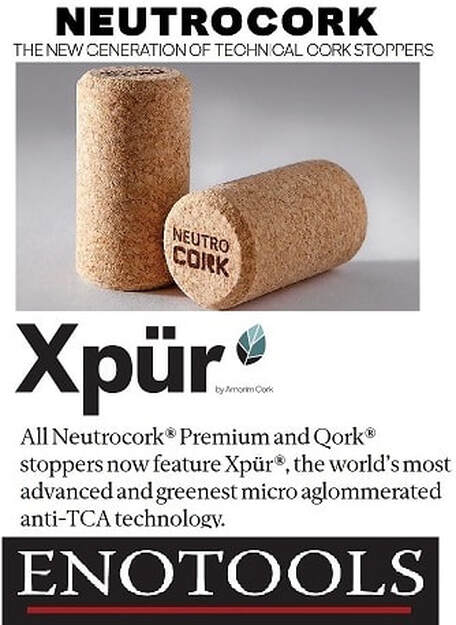
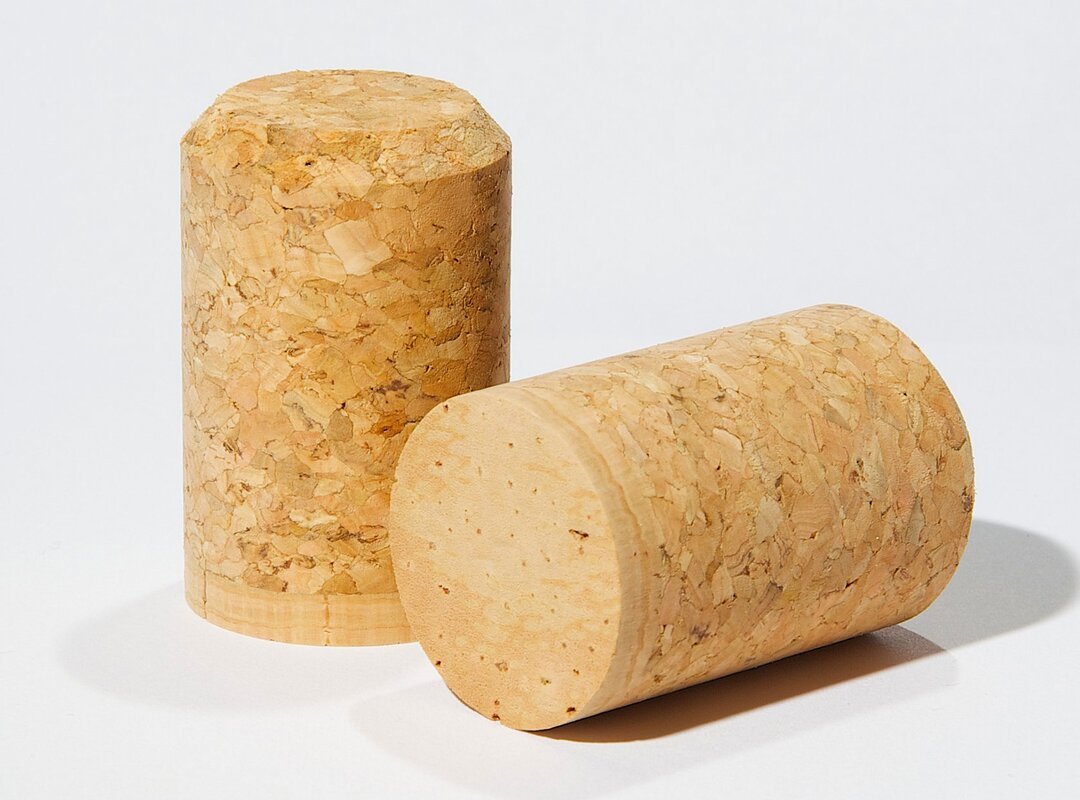
Traditional cork outfits (you know who they are) are still using sampled lots to sell you corks "under 2ng/L" in TCA and calling them safe. Are they? When you have an ultra- small minority of "Super Snout" noses in the wine industry who can actually smell 2ng/L of TCA in a wine, you know that the muted variations you pick up from bottle to bottle are obviously coming from levels of TCA that you can't smell. And that is a problem. Lackluster with with no noticeable flaw removes plausible deniability for anything other than a bad wine; Not a randomly bad closure.
Is it random? Yes. TCA is a randomly occurring, systemic issue within the bark of the tree. Once isolated, that tree will be excluded from the beverage end of the cork business.
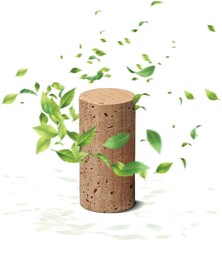
The process now involves screening bark, traceable to the trees. Classification and processing of the bark has become a stricter culling process over recent years. And the processes for treating the corks to ensure their reliability have improved as well.
Cork is still safer, greener, and better performing than ever before.
Read more here.
Is it random? Yes. TCA is a randomly occurring, systemic issue within the bark of the tree. Once isolated, that tree will be excluded from the beverage end of the cork business.
The process now involves screening bark, traceable to the trees. Classification and processing of the bark has become a stricter culling process over recent years. And the processes for treating the corks to ensure their reliability have improved as well.
Cork is still safer, greener, and better performing than ever before.
Read more here.